
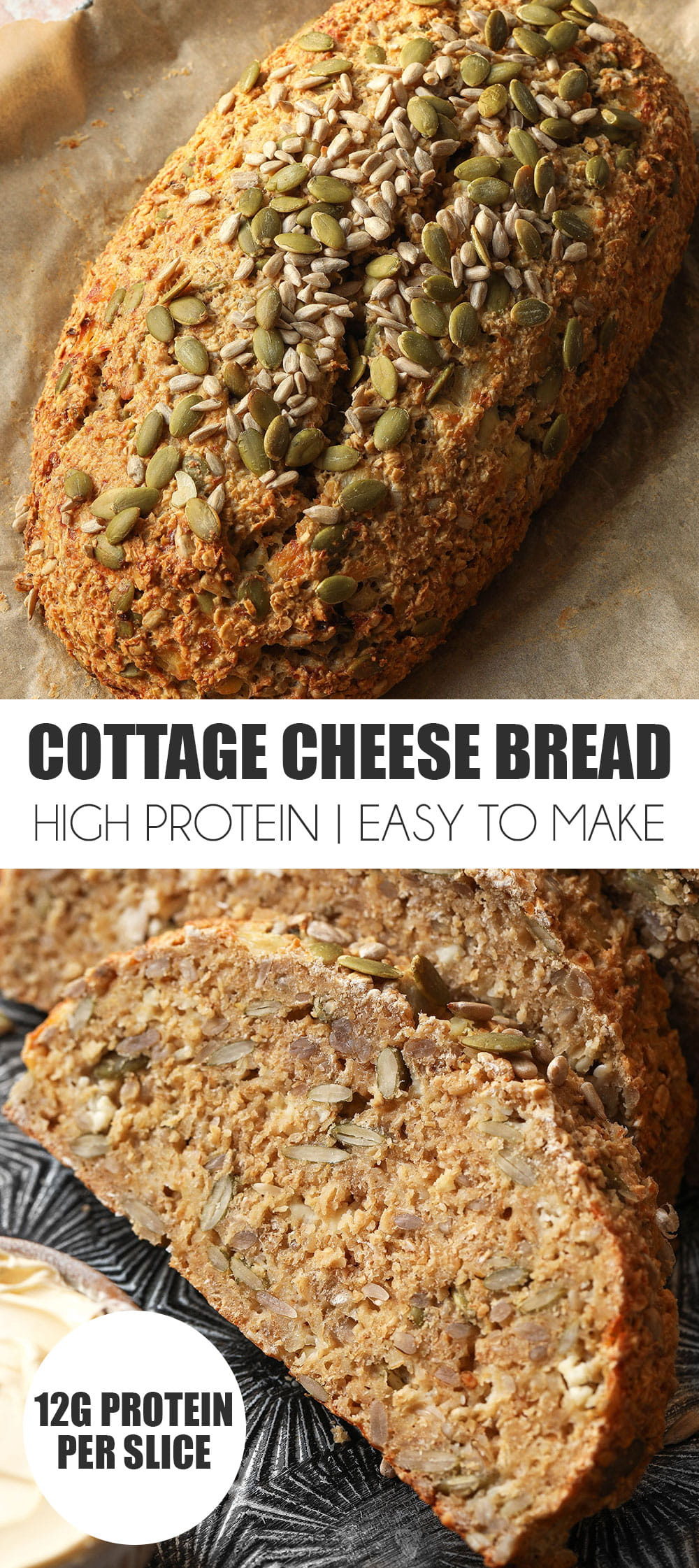
This cottage cheese bread recipe is a total game-changer for anyone wanting a change from the overly processed supermarket loaves. By swapping refined flour for protein-packed dairy and hearty oats, you get a dense, nutrient-rich slice that fuels your day without the typical carb crash. Bonus point – it’s also really easy to make with no proofing required!
Why cottage cheese is the secret to your new favourite loaf:
For a long time, the world of homemade bread was divided into two daunting camps. On one side, you had the artisan sourdough bakers—the ones with bubbling starters named “Dough-lene” and a schedule dictated by hydration levels and 12-hour fermentations. On the other, you had the quick-bread traditionalists, often relying on heavy doses of sugar or refined white flours to get a decent crumb.
But there is a third way. A way that doesn’t require a chemistry degree or a weekend-long commitment. It’s a loaf that defies the laws of traditional baking, trading yeast for protein and white flour for fibre.
I’m talking about cottage cheese bread.
If you haven’t tried this yet, you’re likely skeptical. Cottage cheese has spent decades relegated to the “diet food” corner of the supermarket, but in this loaf, cottage cheese undergoes a total transformation. It’s the secret weapon that creates a moist, savoury, and incredibly nutritious bread that puts your average grocery store slice to shame.

Why this protein bread recipe works:
At first glance, the ingredient list for this bread seems almost too simple. How can something without yeast or gluten-heavy wheat flour actually hold together? The answer lies in the synergy between the cottage cheese and the oats.
In traditional bread, gluten provides the structural “web” that traps air and creates height. In this recipe, the eggs and cottage cheese act as the primary structural binders. As the bread bakes, the proteins in the eggs coagulate, while the cottage cheese provides a consistent moisture source that prevents the oats from becoming dry or crumbly.
The oats and oat flour serve as the “sponge,” soaking up that moisture and creating a dense, satisfying texture that reminds me of a hearty European brown bread. Because there is no yeast involved, you don’t have to worry about proofing temperatures or “the rise.” It’s a foolproof process: mix, pour, and bake.
Why this cottage cheese bread recipe is better than your average slice:
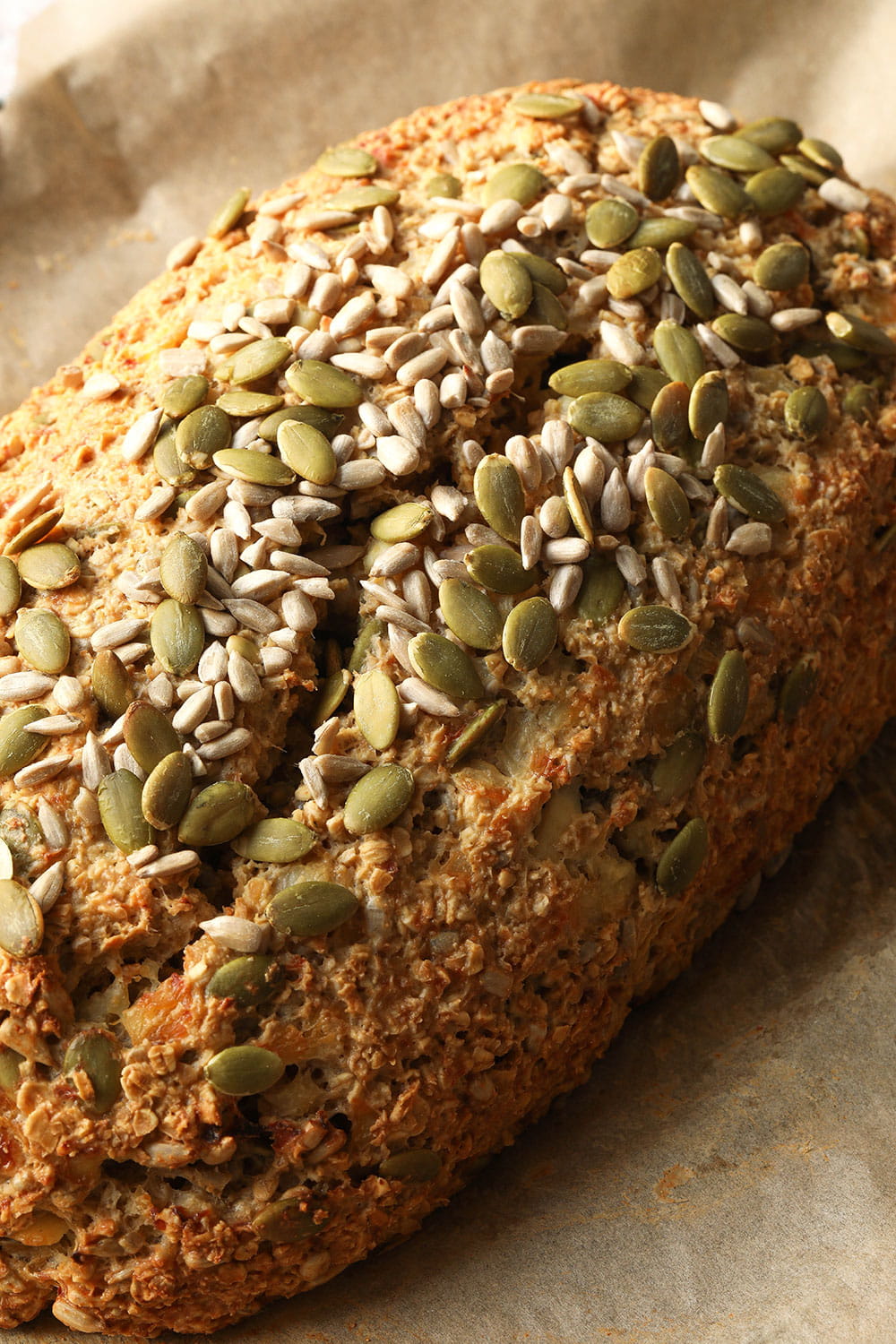
A protein powerhouse – Most bread is almost entirely carbohydrate. While there’s nothing wrong with carbs, they don’t always keep you full. By using 480g of cottage cheese and four eggs, this bread flips the script. You’re getting a significant dose of casein and whey protein in every single slice. This makes it an ideal post-workout snack or a breakfast that actually keeps you satiated until lunch.
The “stripped back label” advantage – This homemade healthy bread requires no emulsifiers and preservatives. It relies on whole-food fats and proteins to maintain its texture. By making it yourself, you are eliminating inflammatory oils and synthetic softeners, replacing them with heart-healthy seeds and complex carbohydrates.
Fibre that functions – By using whole oats and oat flour, you’re getting a good dose of beta-glucan, a type of soluble fibre known for helping to lower cholesterol and improve gut health. Combined with a full cup of seeds – think sunflower, pumpkin, or flax – you’re adding a crunch that delivers omega-3 fatty acids and even more fibre to the mix.
Why a high protein bread is the ultimate weekend meal prep:
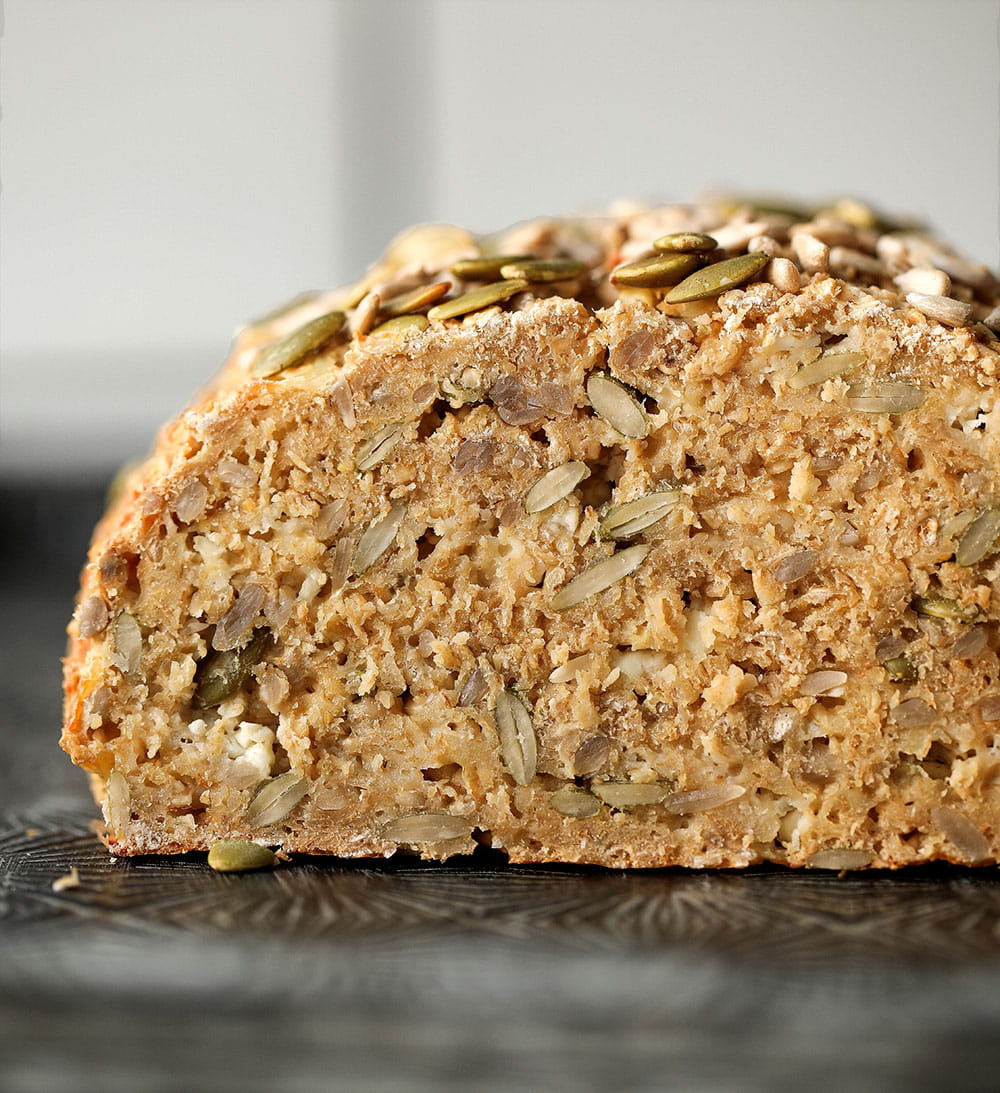
I think that this cottage cheese bread is the king of meal prep. Because of the high moisture content from the cottage cheese, this bread doesn’t turn into a brick the day after you bake it. In fact, many people find the flavour develops even more by day two.
- The bake: Spend 10 minutes mixing it on a Sunday afternoon. While it bakes for an hour, you can meal prep the rest of your week or just relax.
- The storage: Once cooled, you can slice the entire loaf and store it in the fridge.
- The versatility:
- Morning: Toast a slice and top with avocado and a squeeze of lime.
- Lunch: Use two slices for a chicken sandwich that won’t leave you with a “carb crash” at 2:00 PM.
- Evening: Serve a toasted slice alongside a warm bowl of soup or stew for the ultimate dipping vessel.
It even freezes beautifully. You can toast a slice directly from the freezer, and it regains that perfect, slightly crispy exterior and tender middle in minutes.
Texture and taste: what to expect from this cottage cheese bread:
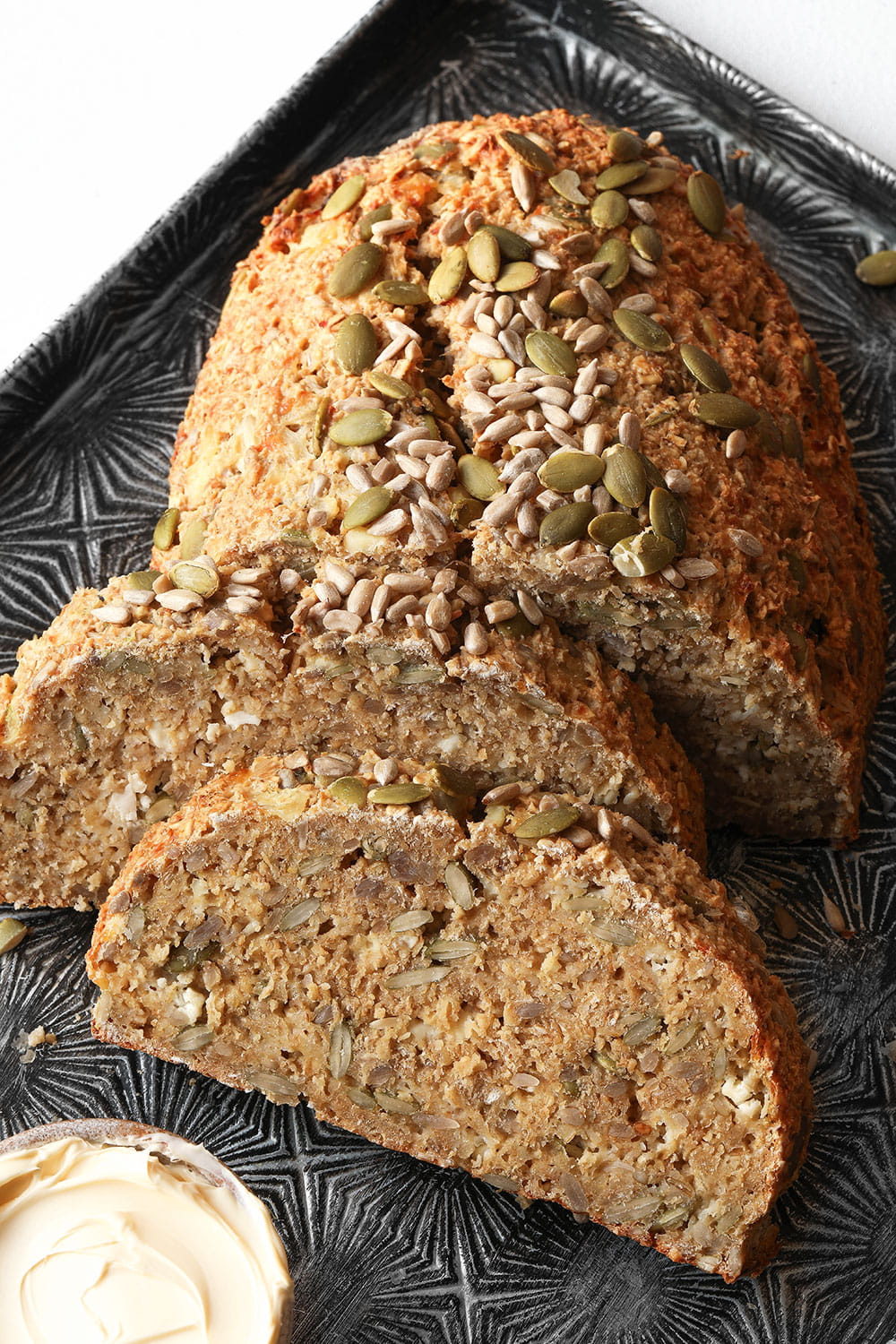
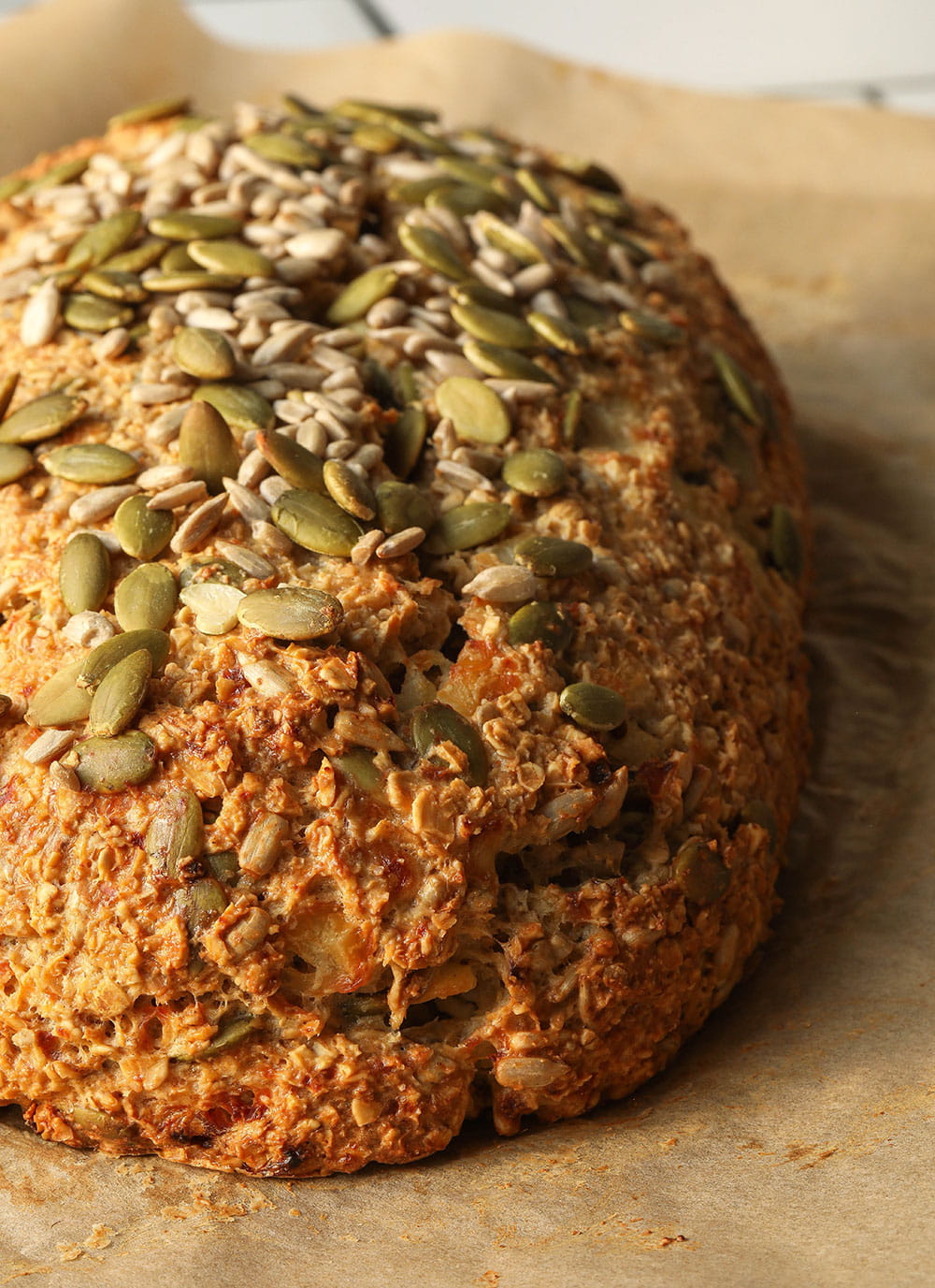
If you’re expecting a fluffy, airy slice of white bread, let me recalibrate your expectations. This is a dense, rustic, and nutty loaf. The seeds provide a constant textural interest – a little pop of crunch in every bite. The cottage cheese doesn’t leave the bread tasting like cheese; instead, it provides a subtle, savoury richness and a hint of tang, almost like a very mild sourdough. The oats give it an earthy sweetness that pairs just as well with butter & honey, almond butter & jam or smoked salmon and cream cheese.
It’s bread that feels substantial. You don’t need four slices to feel like you’ve eaten; one or two thick, toasted slices are incredibly filling.
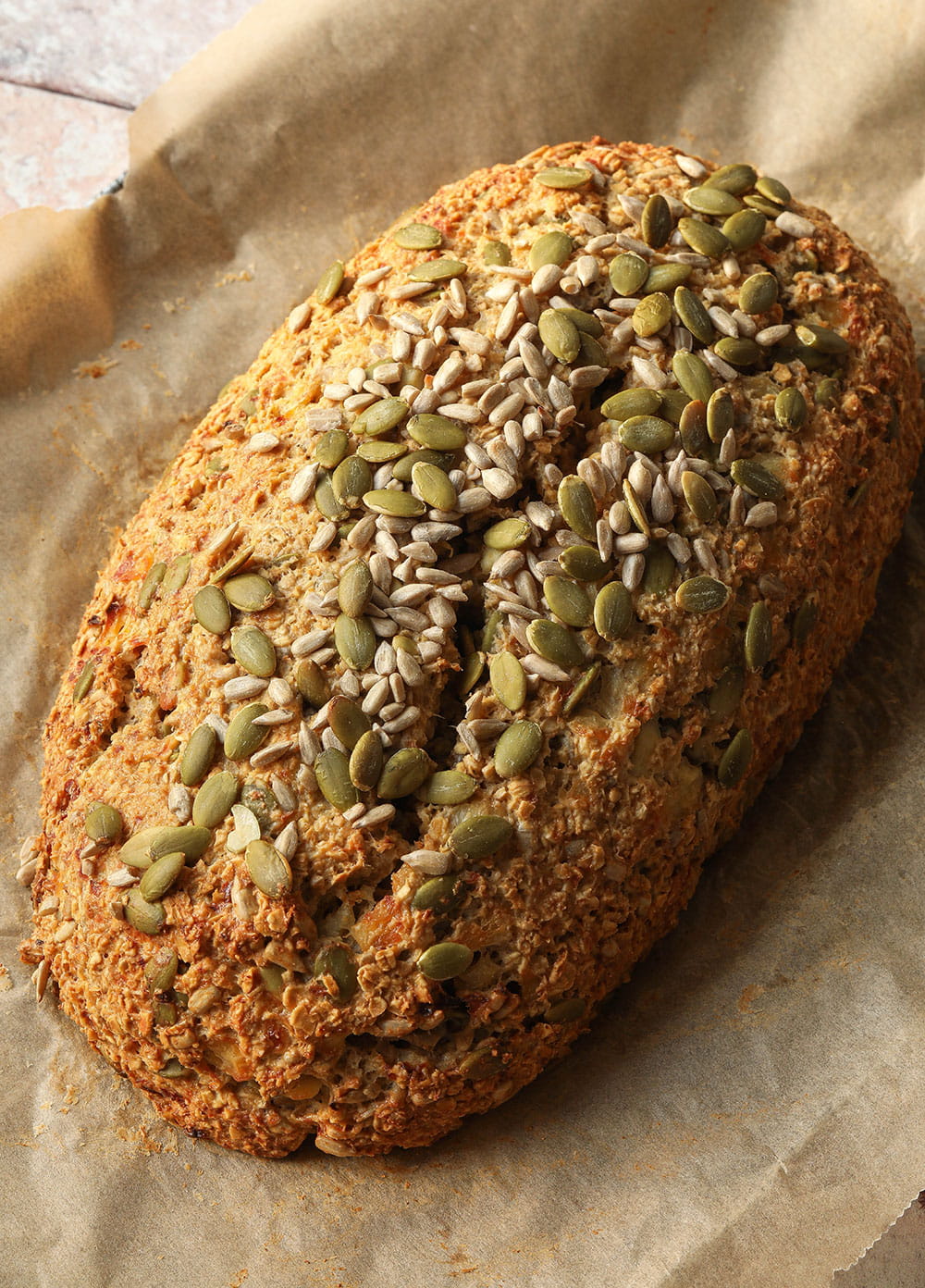
Cottage Cheese Bread Recipe
Ingredients
- 480g cottage cheese
- 4 medium eggs
- 300g oats
- 90g oat flour
- 1 tsp baking powder
- 1/2 tsp salt
- 70g pumpkin seeds
- 70g sunflower seeds
Instructions
- Preheat your oven to 180C/160C fan/350F.
- Add the cottage cheese and eggs to a large bowl. Whisk together until well-combined.
- Now fold in the oats, oat flour, baking powder and salt. Stir everything together with a spatula until you have a thick dough.
- Fold in the seeds, transfer the dough onto a baking sheet lined with parchment paper, then shape into a loaf with your hands.
- Sprinkle more seeds on top, then bake in the centre of the oven for 50-60 minutes.
- Let the bread cool completely before slicing.
Notes
Nutrition
If you enjoyed this recipe, you may also like:
- Cottage Cheese Cheesecake
- Chocolate Cottage Cheese Pudding
- Cottage Cheese Chocolate Mousse
- Cottage Cheese Pudding


Would it still work with almond flour as a substitute for the oats/oat flour?
Hi Katie 🙂 I don’t actually have that much experience with almond flour (not easy to get hold of here in the UK), so I can’t say for sure. I can’t seem to find a straight forward answer online either. Sorry I couldn’t be more helpful 😕