
This paneer korma is perfect for when you want something deeply comforting, rich, and flavourful. Something that feels like a treat, but you also want it to be healthy, packed with nutrients, and, most importantly, fast!
While traditional kormas are famous for their slow-simmered complex nut pastes, there is a brilliant way to capture that exact same velvety, aromatic magic in a fraction of the time. By combining the rich, satisfying texture of paneer with a vibrant rainbow of fresh vegetables and a perfectly balanced cream sauce, you can create a restaurant-quality meal in under 30 minutes.
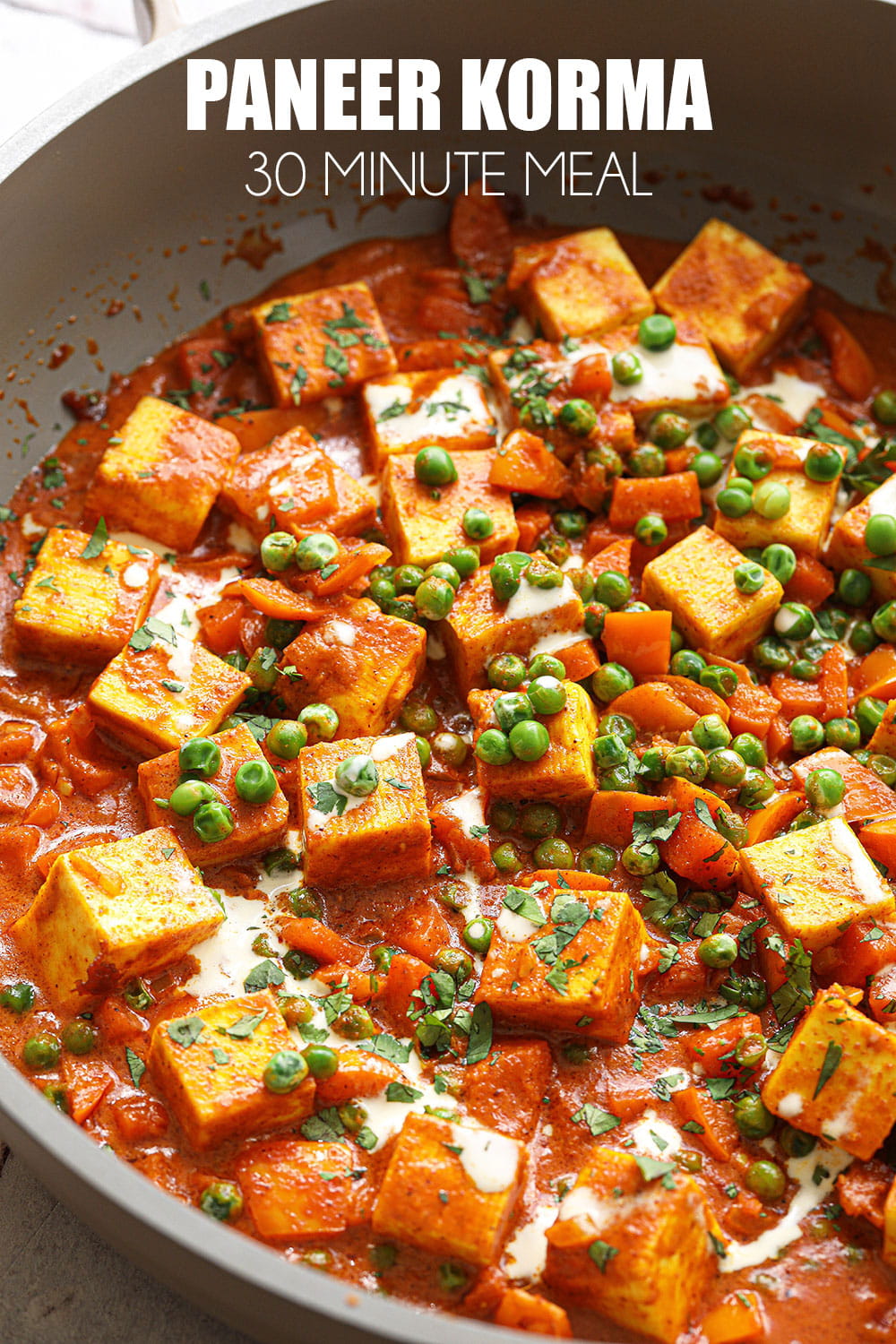
Why I think this paneer korma tastes absolutely incredible:
At its core, a great korma is all about balance. It shouldn’t just be spicy, nor should it be cloyingly sweet. It needs to hit multiple flavour notes simultaneously – savoury, aromatic, earthy, tangy, and subtly sweet. This recipe achieves that harmony beautifully through a clever layers-of-flavour approach.
The aromatic foundation:
Every great curry starts with the holy trinity of Indian cooking: onions, garlic, and ginger, and this korma is no exception. Sautéing the onions until they are soft and translucent creates a sweet, savoury base. When you introduce the minced garlic and pungent ginger paste into the warm oil, they release their essential oils, filling your kitchen with that undeniable, mouth-watering aroma that signals a fantastic meal is on the way.
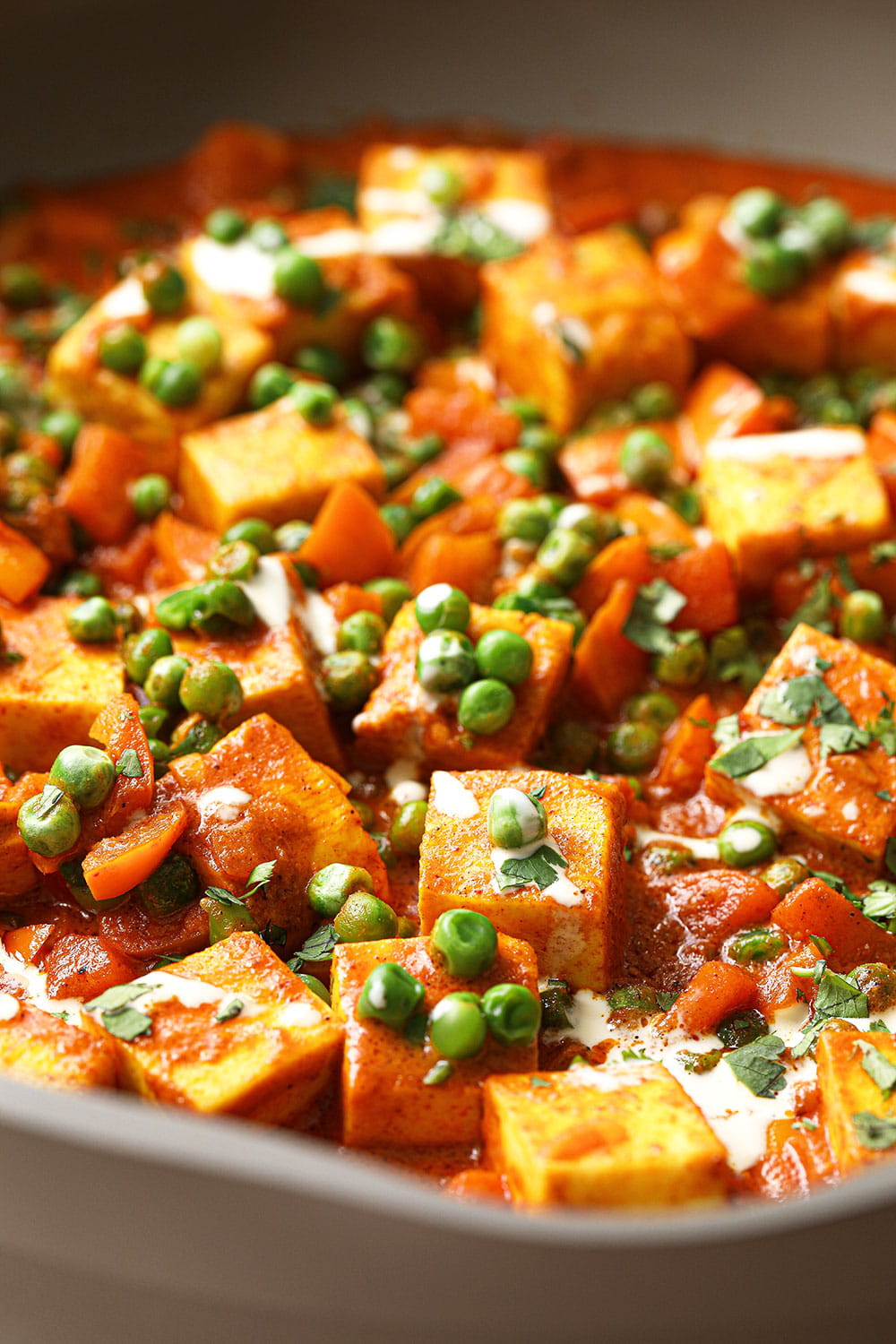
The blooming of the spices
What makes this quick vegetarian korma recipe taste so good is the technique of blooming the spices in a concentrated tomato puree paste. By frying the coriander, garam masala, cumin, turmeric, and chilli powder directly in the oil and tomato base for a minute or two, you wake up the spices.
-
Coriander and cumin provide a warm, citrusy, and earthy backbone.
-
Turmeric adds a mild woodiness (and that gorgeous golden hue).
-
Garam masala introduces complex notes of cinnamon, cardamom, and cloves.
-
Chilli brings just enough gentle heat to cut through the richness.
Cooking them this way eliminates the raw, gritty taste that un-bloomed spices can leave behind, resulting in a smooth, deeply integrated sauce.
The rich and velvety finish
The magic happens in the final minutes. The sharpness of the tomato and the warmth of the spices are mellowed out by a luxurious swirl of cream. But the real secret weapon here is the touch of honey stirred in right at the end. In traditional Mughlai cuisine, kormas often get their sweetness from caramelised onions or raisins. A drizzle of honey achieves that same complex flavour balance instantly, cutting through the acidity of the tomato and elevating the creaminess to something truly sublime.
What makes this paneer korma recipe the ultimate weeknight time-saver:
Let’s be honest: on a Tuesday evening, a recipe that requires multiple pots, a blender, and an hour of simmering is a hard pass. This paneer korma is specifically engineered for the busy home cook. It’s a seamless, one-pan wonder that delivers maximum flavour with minimal effort.
Because paneer doesn’t require hours of marinating or tenderising like meat does, your cooking time is dramatically slashed. Paneer is naturally ready to go; it just needs to be cubed and warmed through.
Furthermore, the vegetables used – carrots, red peppers, and peas – are chosen not just for their colour, but for their quick cooking times. By finely chopping the carrots and peppers, they soften perfectly in a brief 8-to-10-minute simmer under a covered pan.
Minimal cleanup – There is nothing worse than enjoying a delicious meal only to turn around and see a sink overflowing with dishes. This entire korma is built sequentially in one single large pan. You build the base, simmer the veggies, and finish the sauce all in the same vessel. That means less time scrubbing pots and more time relaxing after dinner.
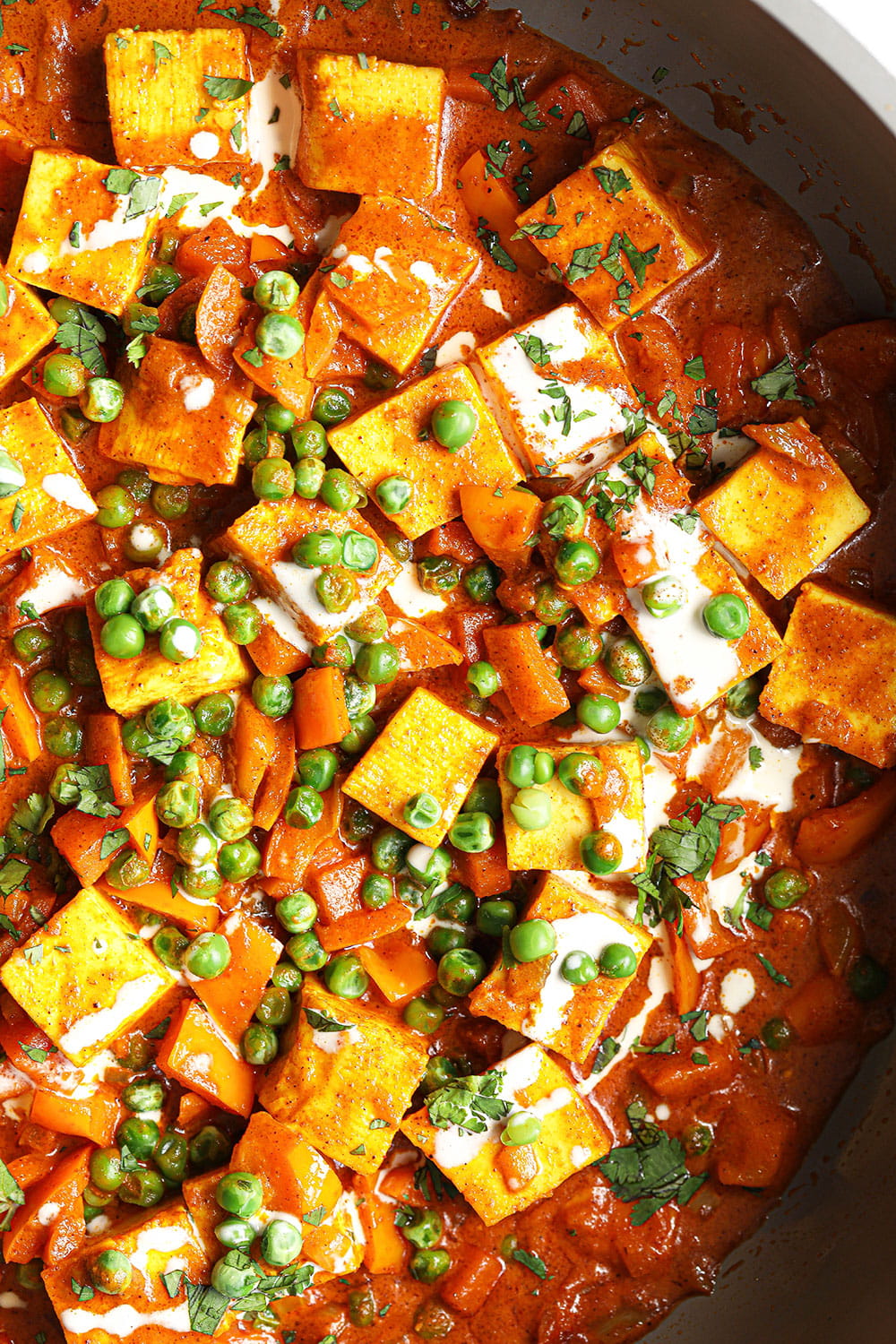
Why I like to use paneer in this vegetarian korma recipe:
For vegetarians or anyone looking to reduce their meat consumption, finding satisfying, high-protein dinners can sometimes feel like a chore. Paneer is a fantastic solution.
What is paneer? Paneer is a fresh, non-aging, non-melting cheese common in South Asian cuisine. Because it doesn’t melt when heated, it retains a delightful, chewy, and hearty texture that mimics the satisfaction of eating meat.
And did you know you can make paneer at home from scratch?
From a nutritional standpoint, paneer is an absolute star:
-
Protein-rich: It provides a complete source of protein, essential for muscle repair, immune function, and keeping you full until morning.
-
Calcium-dense: As a dairy product, it’s loaded with calcium, supporting strong bones and teeth.
-
Healthy fats: The fats in paneer provide sustained energy and help your body absorb fat-soluble vitamins.

Serving suggestions and how to customise your paneer korma:
While this dish is spectacular exactly as written, its versatility is another reason it makes such a great staple meal. You can easily adapt it based on what you have in your fridge or your specific dietary preferences.
-
The classic route: Serve it alongside a basket of warm, pillowy garlic naan. Use the bread as a vessel to scoop up the tender paneer cubes and thick, creamy sauce.
-
The weeknight staple: Pour it over a bed of fluffy basmati rice. The grains will absorb the flavourful korma sauce like a sponge.
-
The low-carb alternative: If you’re watching your carbs, this korma is hearty enough to be eaten on its own like a thick stew, or served over a bed of steamed cauliflower rice.
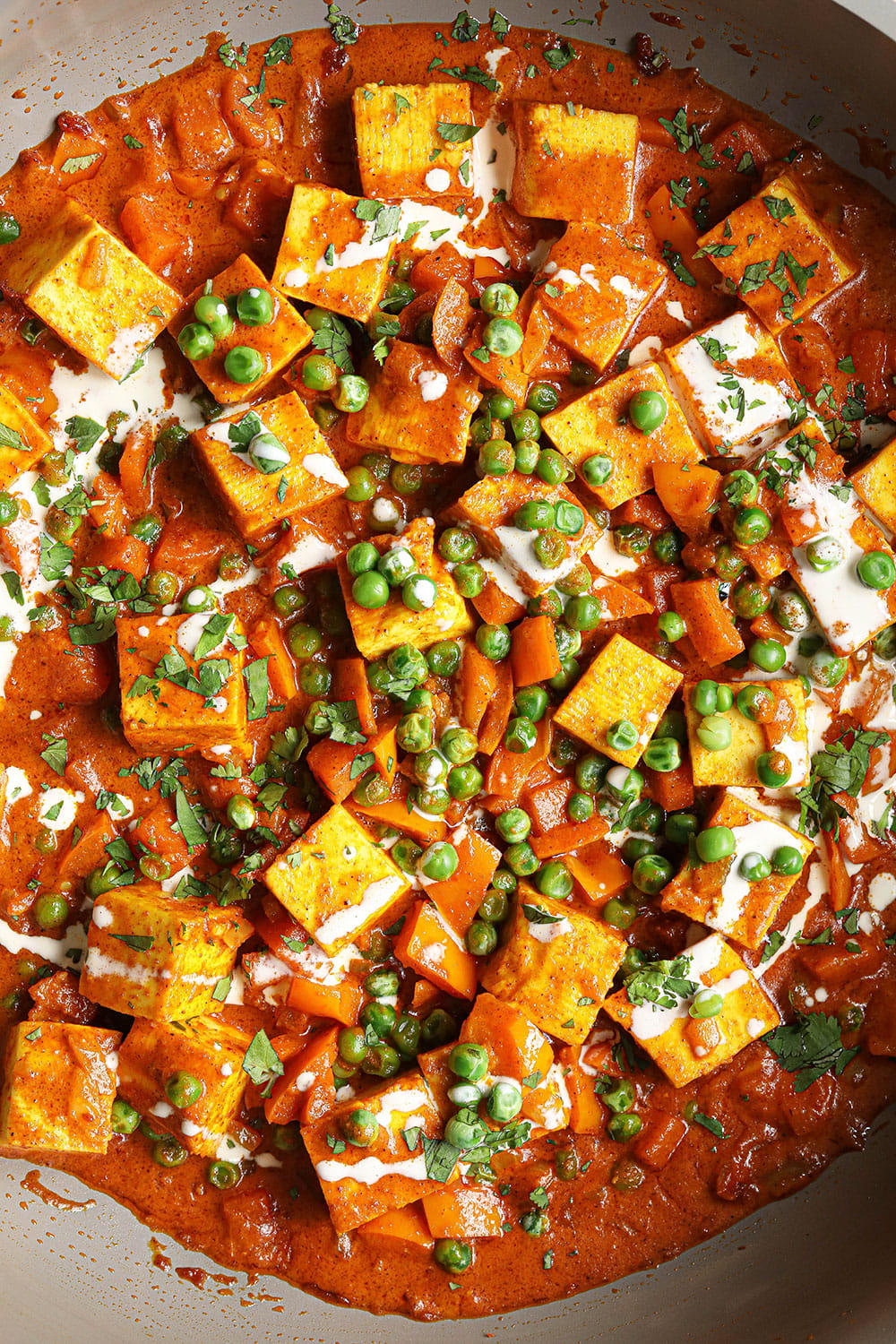
Ways to customise this vegetarian korma recipe:
-
Lighten it up: If you want a lower-calorie weekday version, you can swap the heavy cream for light coconut milk (which adds a lovely tropical undertone) or Greek yogurt (stirred in at the very end on low heat to prevent curdling).
-
Clear the fridge: This recipe is incredibly forgiving. Got a handful of spinach that’s about to turn? Toss it in at the end until it wilts. Have some stray broccoli florets or mushrooms? Throw them in with the peppers and carrots.
- Change it up: if you don’t mind eating meat, you can make it with chicken, beef or prawns. You can even use tofu for a vegan option.
This recipe for paneer korma proves that you don’t need hours of spare time to create a deeply flavourful, aromatic, and nourishing meal. It bridges the gap between fast-food convenience and wholesome, home-cooked nutrition. With its vibrant colours, rich textures, and warming spices, it’s a recipe that promises to bring a little bit of restaurant-style magic right to your weekday table – all before the evening news comes on.
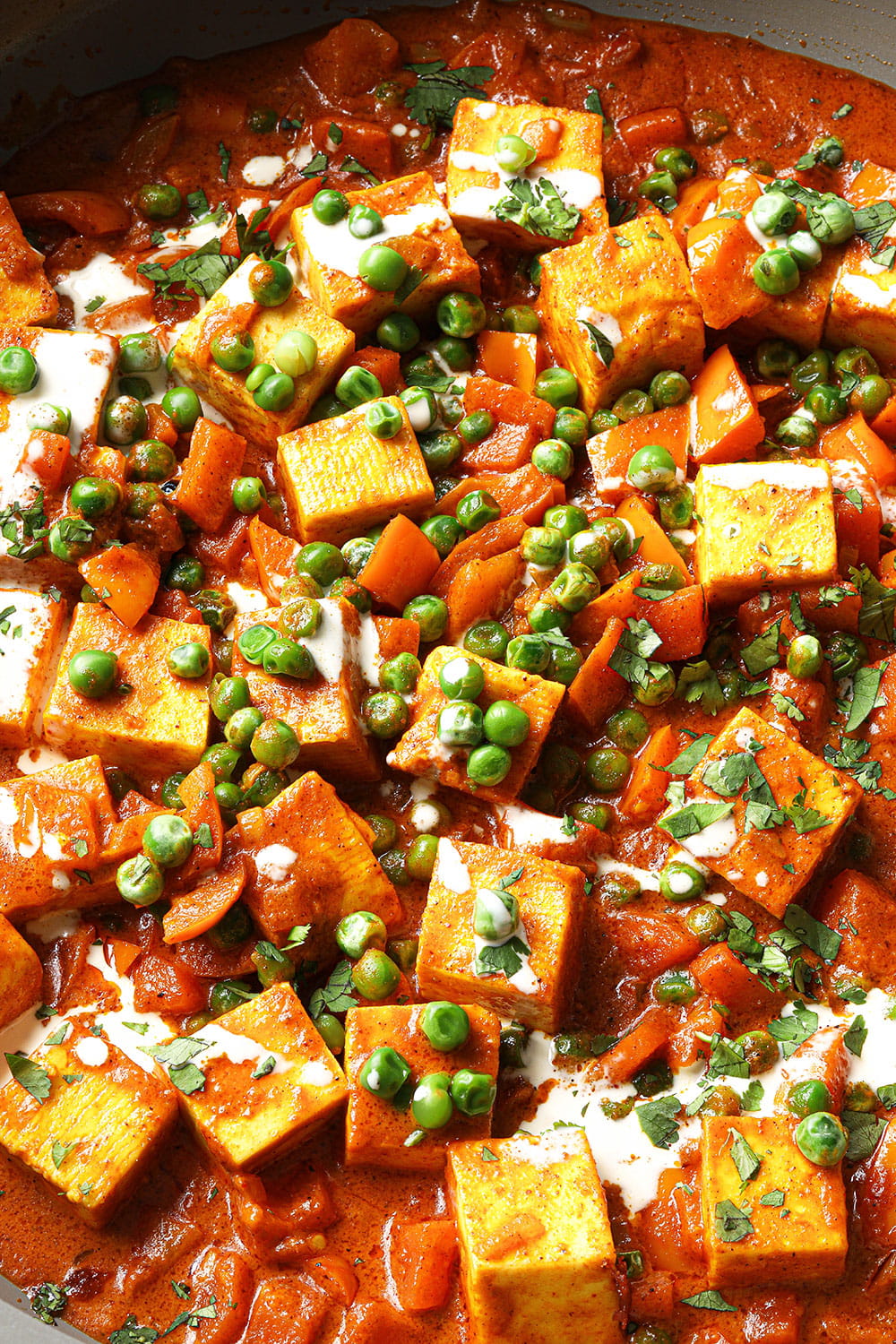
Paneer Korma
Ingredients
- 1 tbsp oil
- 1/2 onion chopped
- 1 carrot finely chopped
- 1 red pepper finely chopped
- 50g peas
- 4 garlic cloves minced
- 1/2 tbsp ginger paste
- 2 tbsp tomato puree
- 400g paneer sliced into cubes
- 1 tsp coriander
- 1 tsp garam masala
- 1/2 tsp cumin
- 1/2 tsp turmeric
- 1/4 tsp chilli
- 120ml single cream
- 1 tsp honey
- Salt & pepper to taste
- Fresh coriander for garnish
Instructions
- Heat the oil in a large pan over medium heat. Add the chopped onion and fry for 3–4 minutes until soft and translucent.
- Stir in the minced garlic and ginger paste, cooking for another 1 minute until fragrant.
- Turn the heat down slightly. Add the tomato puree along with your ground spices stirring constantly for 1–2 minutes.
- Add the diced carrot and pepper to the pan, tossing them to coat in the spice paste. Pour in about 1/4 to 1/2 cup of water (just enough to create a thick sauce so the veggies can simmer). Cover and cook for 8–10 minutes until the carrots start to soften.
- Stir in the peas and the paneer cubes. Pour in the cream and stir thoroughly. Let everything simmer gently uncovered for 3–5 minutes so the paneer absorbs the flavours and heats through.
- Remove from the heat. Stir in the honey and season with salt & pepper to taste.
- Garnish generously with fresh coriander and serve hot with naan or rice.
Nutrition

Leave A Comment